Source UV Resistance Shade Sail for Garden Hotel Patio
Compare 30 products featuring UV Resistance Shade Sail options for outdoor use. Buyers can evaluate materials like HDPE and PE, shade rates from 30% to 95%, and customization options for balconies, hotels, and restaurants.
Key considerations
Products List


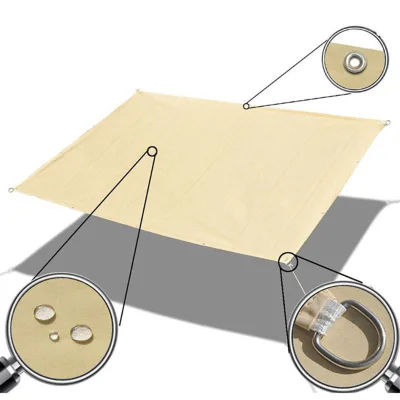


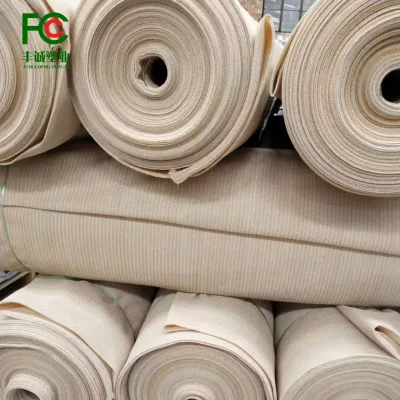


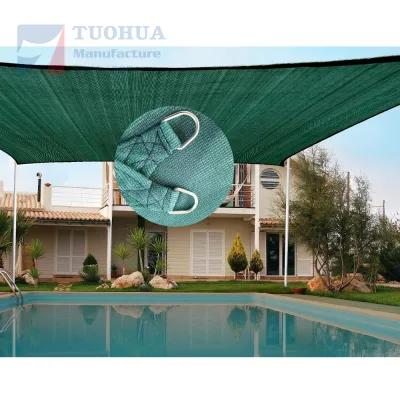


Premium Shade Sail UV-Resistant Outdoor Sun Shade for Patios, Gardens and Decks
$10.00 - $100.00
MOQ: 1000 Pieces


Comprehensive Sourcing Guide
Strategic Sourcing Guide for UV Resistance Shade Sails
Understanding Technical Specifications and Material Composition
When sourcing UV resistance shade sails, the primary focus must be on the material composition and the specific engineering standards that define durability. The market offers a variety of options, but the most reliable products for outdoor applications are constructed from High-Density Polyethylene (HDPE). This material is frequently cited in product listings as the core component, often reinforced with UV stabilizers to ensure longevity. The supply data indicates that materials are often described as "HDPE+UV," suggesting a composite approach where the base polymer is treated to resist solar degradation.
The physical weight of the fabric is a critical indicator of quality and density. Observations from available product data show a weight range between 120 GSM and 180 GSM. Buyers should understand that higher GSM values generally correlate with better tensile strength and a higher capacity to block sunlight. For instance, specific listings mention standards of 160 GSM and 180 GSM, which are suitable for high-traffic areas requiring robust shade. The shade rate, or the percentage of sunlight blocked, varies significantly across the market. Available data points to a range from 30% to 95%, with some specific models offering up to 95% shade. This variability allows buyers to select sails based on their specific needs, whether for light filtration or complete sun protection.
The structural integrity of the sail is also defined by its mesh configuration. The "Fine Mesh" specification is a key technical attribute, with some products offering a density of 800/100 cm. This metric is essential for understanding the airflow and light penetration characteristics. Additionally, the shape of the sail is not limited to a single geometry; suppliers offer triangular rows or quadrilateral configurations. The dimensions are highly customizable, with standard offerings ranging from 3x3 meters to larger spans like 5x6 meters, and even custom dimensions such as 2x6 meters or 1.8x6 meters. The ability to customize specifications is a standard feature in this category, allowing for precise fitting to architectural requirements.
Compliance, Certification, and Environmental Standards
Navigating the compliance landscape for shade sails requires a careful distinction between verified standards and general market claims. While the supply data mentions "Eco Friendly" and "Renewable Sources" as attributes, buyers must verify these claims through specific documentation rather than accepting them as universal truths. The presence of "OEKO-TEX" in background knowledge suggests a potential certification path for textile safety, but it is not explicitly confirmed in the high-confidence product facts. Therefore, procurement teams should treat such certifications as items to be requested and validated during the supplier engagement phase, rather than assuming they are present in every listing.
Water resistance is another critical compliance factor for outdoor installations. The data indicates that many products possess a "Waterproof" feature, yet specific performance metrics vary. One observation notes an "Outer Tent Waterproof Index" of less than 1000 mm, which is a relatively low rating for heavy rain exposure. In contrast, other products are simply labeled "Waterproof" without a specific hydrostatic head value. This discrepancy highlights the necessity for buyers to request specific test results regarding water resistance. For applications in regions with heavy rainfall, a waterproof index exceeding 1000 mm is typically required, and buyers should explicitly ask suppliers to confirm if their specific model meets this threshold.
The manufacturing standards also play a role in compliance. Some products list a standard of "High density polyethylene," which serves as a material baseline. Others reference a "Customized According to Customer" standard for packing and production. This flexibility allows for tailored compliance with local building codes or safety regulations. However, buyers must ensure that the "Manual Control" or "Operation Method" features align with safety standards, particularly if the shade sails are motorized or require complex tensioning systems. The absence of specific safety certifications in the high-confidence data means that due diligence is required to confirm that the steel frames and plastic nets meet local structural safety codes.
Cost Drivers and Pricing Dynamics
The pricing structure for UV resistance shade sails is influenced by several dynamic factors, primarily material density, customization levels, and order volume. The observed price range in the market spans from 0.3 to 100 USD, a wide variance that reflects differences in product quality, size, and order quantity. The lower end of this spectrum likely corresponds to smaller, standard-sized units with basic material weights, while the higher end encompasses large, custom-engineered solutions with premium UV treatments and specialized packaging.
Order Volume is a significant driver of cost. The Minimum Order Quantity (MOQ) ranges from 1 to 10,000 units, indicating that the market accommodates both small-scale procurement and large industrial projects. Buyers purchasing in bulk can often negotiate better unit prices, leveraging the economies of scale inherent in HDPE production. However, the cost of customization adds a layer of complexity. Since "Customization" is listed as available, buyers should anticipate that non-standard dimensions, specific color requests (such as Green, Black, Beige, or Orange), and unique packing requirements will incur additional charges.
Packaging and logistics also contribute to the final cost. The data shows varied packaging methods, from "Each PC Into a Handbag" to "Carton Packaging" and "Premium Packaging." The choice of packaging affects the shipping weight and volume, which in turn influences freight costs. For international shipments from origins like "Shandong China" or general "China" locations, the packaging method must be robust enough to prevent damage during transit while minimizing volumetric weight. Buyers should factor in these logistical costs when comparing the base price of the sail against the total landed cost.
Typical Applications and Functional Requirements
UV resistance shade sails are versatile solutions designed for a wide array of outdoor environments. The functional data highlights applications in balconies, gardens, hotels, patios, and restaurants. These settings demand materials that can withstand continuous exposure to sunlight, wind, and varying weather conditions. The "Natural Environment" life time attribute suggests that these products are engineered for long-term outdoor use, provided they are installed correctly.
The versatility of the shade sails is further demonstrated by their adaptability to different architectural styles. The availability of triangular and quadrilateral shapes allows for creative installation designs that can cover irregular spaces or create specific aesthetic effects. The shade rate of 30% to 95% provides flexibility in managing light and heat. For instance, a restaurant patio might require a 95% shade rate to provide cool, shaded dining areas, while a garden pathway might benefit from a 30% shade rate to allow dappled sunlight.
The material properties also dictate suitability for specific uses. The "Plastic Net" and "Shade Net" attributes indicate that these products can serve as safety barriers or privacy screens in addition to providing shade. The "Steel" frame material ensures structural stability, which is crucial for larger installations in public spaces like hotels or commercial patios. The "Anti-UV" and "Durable" features are essential for maintaining the integrity of the fabric over time, preventing fading and brittleness that can compromise the structure.
Supplier Evaluation and Geographic Considerations
When evaluating suppliers, the geographic origin is a key factor in logistics and quality assurance. The supply data identifies "Shandong China" and general "China" as the primary origins. Shandong is a known manufacturing hub for textiles and plastics, suggesting a concentration of expertise in HDPE production. However, buyers should not assume uniform quality across all suppliers from this region. Instead, they should focus on the supplier's ability to provide detailed technical specifications and evidence of their manufacturing processes.
The availability of "Customization" is a strong indicator of a supplier's capability. Suppliers who offer tailored solutions for dimensions, colors, and packing are likely to have more advanced production lines and better quality control systems. Buyers should verify the supplier's experience with custom orders by requesting references or case studies. Additionally, the "Manual Control" and "Operation Method" features should be discussed to ensure the supplier can provide the necessary hardware and installation guidance.
It is crucial to avoid relying on unverified claims. While some suppliers may advertise "Eco Friendly" or "Renewable Sources," buyers must request documentation to substantiate these claims. Similarly, the "High Confidence" facts regarding material types and weights should be used as a baseline for comparison, but buyers should insist on third-party test reports for critical performance metrics like UV resistance and waterproofing.
Quality Control and Long-Term Procurement Considerations
Quality control in the shade sail industry must address both the initial product specifications and the long-term performance under environmental stress. The "Life Time" attribute, listed as "Natural Environment," implies that the product is designed to last, but the actual lifespan depends on the intensity of UV exposure and the frequency of maintenance. Buyers should establish a clear maintenance protocol with their suppliers, including cleaning instructions and inspection schedules to ensure the structural integrity of the steel frames and the tensile strength of the HDPE fabric.
The "UV" attribute, noted as "as Your Request (1%-3%)," suggests that the level of UV protection can be customized. This is a critical area for quality control, as the concentration of UV stabilizers directly impacts the product's resistance to degradation. Buyers should specify their required UV protection level based on the local climate and request test data to confirm that the product meets these specifications. The "Fine Mesh" density and "Shade Rate" should also be verified upon delivery to ensure they match the ordered specifications.
Long-term procurement considerations include the availability of replacement parts and the scalability of the supply chain. Since "Customization" is available, buyers should ensure that the supplier can produce replacement sails with the exact same specifications if the original product is damaged or if the design needs to be replicated for additional sites. The "Carton" and "Premium Packaging" options should be evaluated for their ability to protect the product during storage and transport, minimizing the risk of damage before installation.
Comparison of Key Product Attributes
To assist in the decision-making process, the following table summarizes the key attributes observed in the market, highlighting the variability that buyers must navigate.
| Attribute | Observed Range/Options | Procurement Verification Point |
|---|---|---|
| Material | PE, HDPE+UV, Plastic | Confirm HDPE content and UV stabilizer concentration. |
| Weight | 120 GSM - 180 GSM | Verify GSM matches the required durability level. |
| Shade Rate | 30% - 95% | Select based on specific light/heat control needs. |
| Waterproof Index | <1000 mm (Some) | Request specific hydrostatic head rating for rain exposure. |
| Dimensions | 3x3m to 5x6m (Custom) | Confirm exact custom dimensions and shape (Tri/Quad). |
| Color | Green, Black, Beige, Orange | Verify colorfastness and UV resistance of the dye. |
| Packing | Carton, Handbag, Plastic Bag | Ensure packaging protects against transit damage. |
| Origin | Shandong China, China | Assess logistics costs and lead times from origin. |
By adhering to these guidelines and focusing on verified data, buyers can effectively source UV resistance shade sails that meet their specific technical, financial, and operational requirements. The key lies in rigorous verification of specifications and maintaining clear communication with suppliers regarding customization and quality standards.
FAQs
What material is used for UV resistance shade sails?
High-density polyethylene (HDPE) is the primary material used, often reinforced with UV stabilizers. Some listings specify HDPE+UV composites with weights ranging from 120 to 180 GSM to ensure durability and tensile strength in outdoor environments.
Can I customize the shade rate and dimensions?
Yes, customization is available for shade rates between 30% and 95% and various dimensions like 3x3 meters or custom sizes. Buyers can request specific shapes such as triangular or quadrilateral rows to fit unique architectural requirements.
What is the typical waterproof rating for these sails?
Waterproof features are common, though specific ratings vary by product. One observed standard lists an outer tent waterproof index of less than 1000 mm, while others simply state waterproof without a hydrostatic head value, requiring verification for heavy rain.
Which colors are available for the shade sails?
Available colors include green, black, beige, and orange, with options for custom requests. The product listings confirm that color selection can be tailored to customer needs, allowing for aesthetic matching with various outdoor settings like gardens or patios.
How is the product packed for shipping?
Packaging options vary from plastic bags and cartons to premium carton packaging or individual handbag packaging. The specific packing method is often customized according to customer requirements to ensure safe transit and minimize volumetric weight for international shipping.
What is the minimum order quantity for these sails?
The minimum order quantity ranges from 1 to 10,000 units depending on the supplier and customization level. This flexibility allows buyers to procure small quantities for testing or large volumes for industrial projects while potentially negotiating better unit prices.
Where are these shade sails manufactured?
Products are primarily manufactured in China, with specific origins noted in Shandong. This region is a known hub for textiles and plastics, offering a concentration of expertise in HDPE production and UV-resistant fabric manufacturing.